
I’m creating the Pathways to Connection free monthly subscription program as a way of exploring and expanding ways in which my somatic coaching deck can be used to support your journey of self-reflection and discovery! The deck is the jumping-off point, but each edition will also include helpful quotes and information; suggestions for movement, journaling and other practices to support what you’re learning and doing; as well as anything useful I can find, including concepts, information, skills, thoughts, and questions that inform my client practice.
Keep in mind that this monthly practice may be accessible and useful to you, even if you don’t have your own deck. If you’d like to try working with a deck, but don’t know if you want your own, I have a deck library! More information will be on the way as I refine the program. Eventually, I’m hoping to include some sort of group call, or monthly meeting, with a database of saved calls and Pathway posts that you can always access!
The program is based around the Pathways; each Pathway will be based on a concept or growth goal that we’re probably all contemplating, struggling with, and learning about. Using my knowledge of the cards, I’ll pick five-six cards, from all three card groupings, to form a path that illustrates a way to think about or plan out your exploration of the concept or goal; step by gentle step.
I will also include a helpful somatic skill or technique to give you something to practice.
It’s free! Below is a way to subscribe to this great opportunity!
Here is a mini pathway, to give you a taste of what’s to come!
Getting Started: moving from being blocked, fearful, or just unsure how to start doing something you really want to do, or get something you really want:
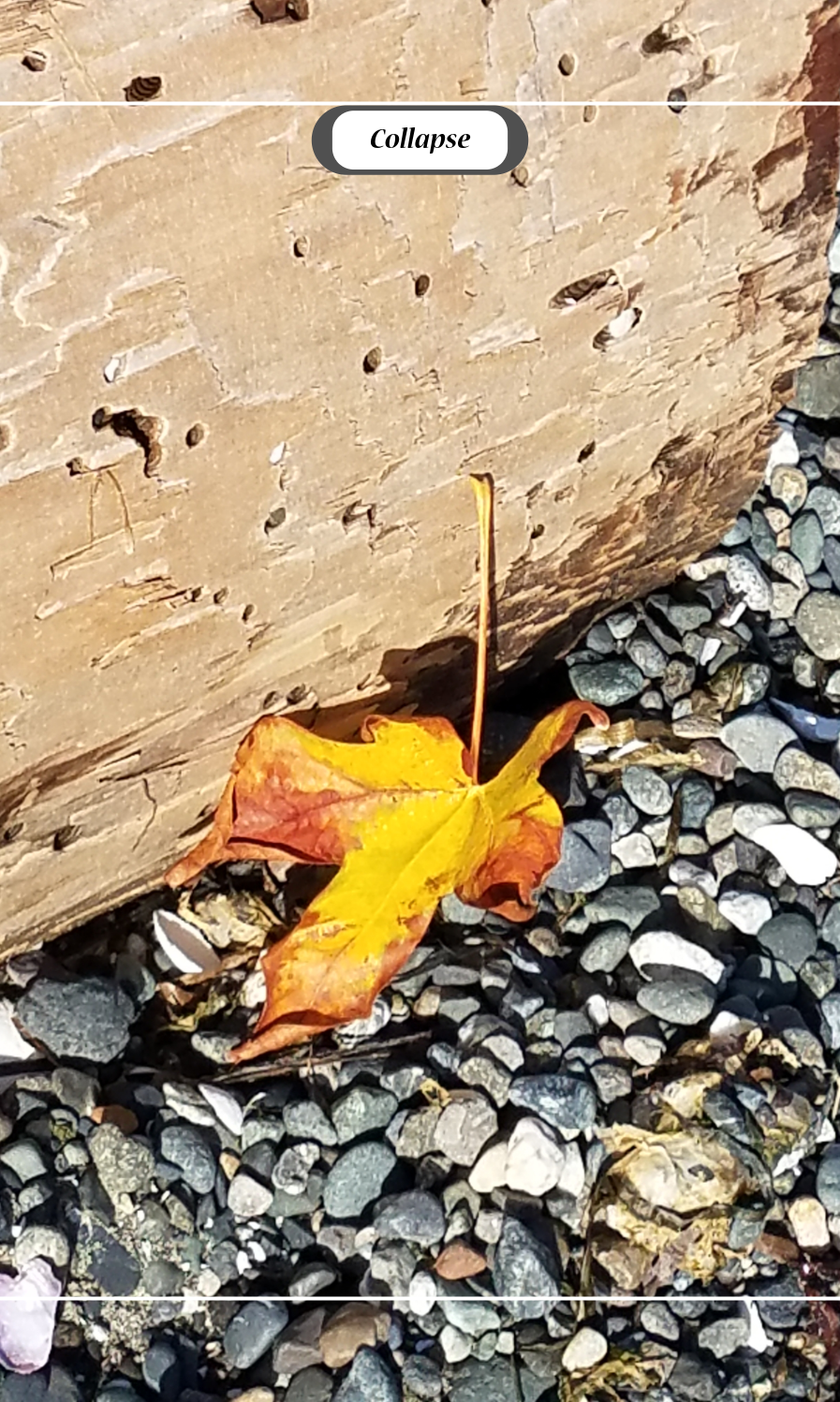
Collapse: Draw the Collapse card, read the content. What do you notice about the picture, how does it make you feel. “Collapse can be the opposite of life - the movement, pulsation, and pumping of nutrients and fluids..”, “Its hard for energy to move in a closed-off system, to bring nourishment and information to limbs and ligaments.” What does collapse mean to you? Is it negative or positive, or something else? Do you feel anywhere in your body that’s collapsed? Feel into your ribs, your shoulders, your legs. Why would collapsing feel like a safe choice? Take a breath, or move around…does that change anything?
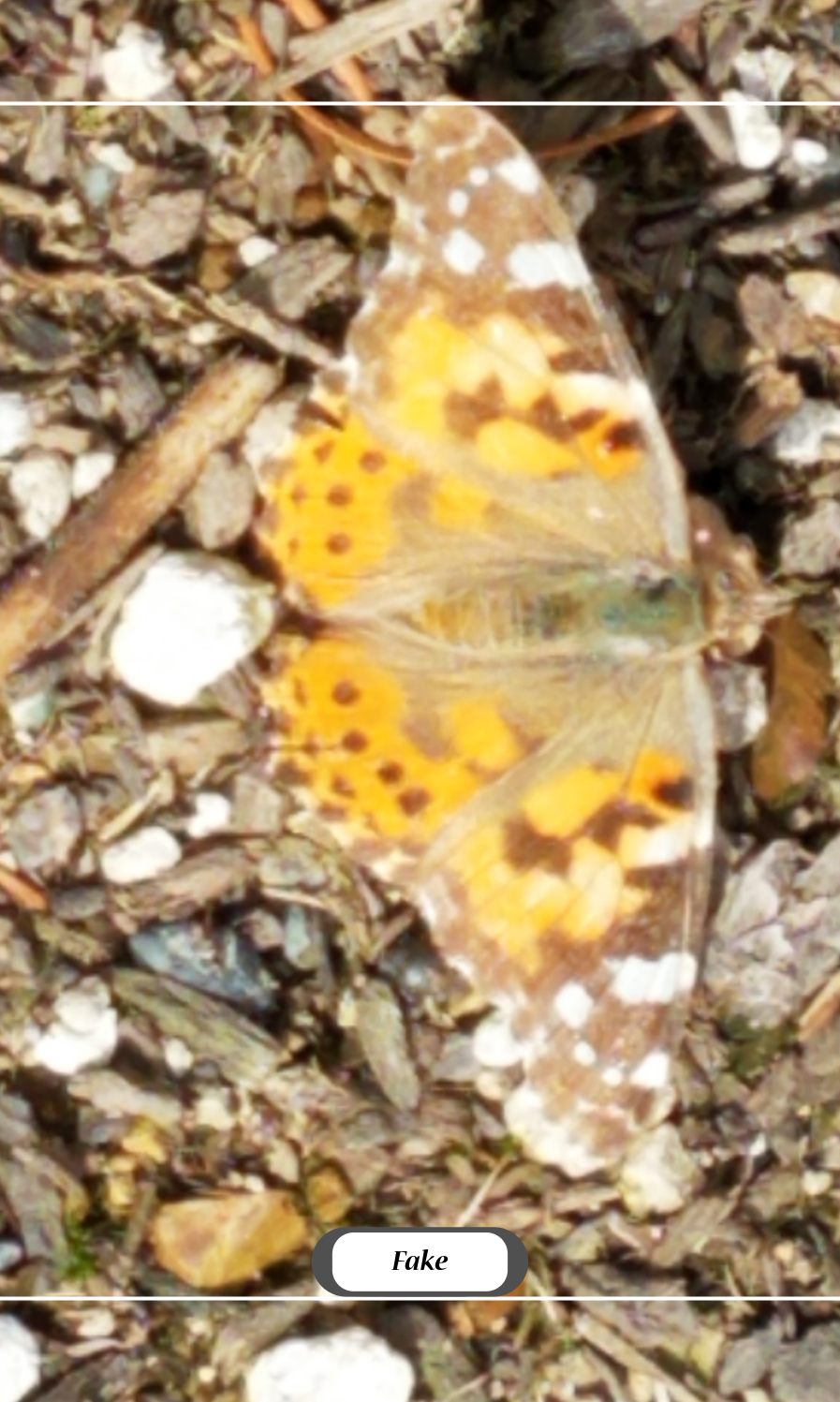
Fake: Draw the Fake card, read the contents. What jumps out at you in the picture? “Do you feel like a phony or an imposter?”, “You might struggle to get yourself to do things that you don’t know how to do, and that makes you feel anxious, so you put it off.”, “Start small: imagine a first step; start at 1, then go to 2, then 3; get help.” If you weren’t shown how to begin something, your body might choose to collapse and stop. You might feel like you’ll never do it right, so why try? It takes courage to even think about being different, but it is possible. You can do it. Did you know you could ask someone to sit with you while you do something? Or show you how to begin?
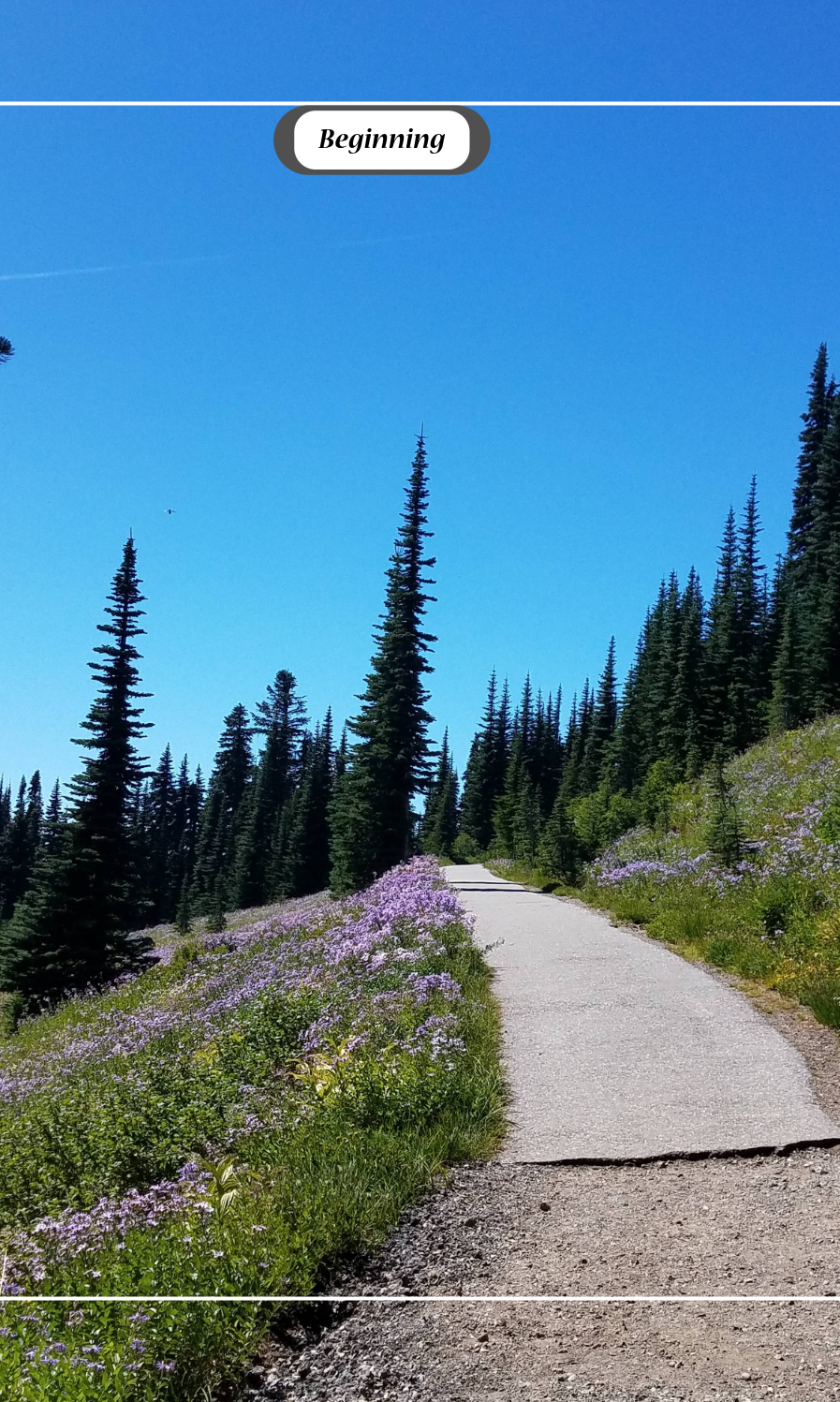
Beginning: Draw the Beginning card, read the contents. What do you notice about the picture, do you feel something in your body? “It’s possible that nobody took you by the hand and said, “This is where and how to start. Maybe you were pushed into systems already begun and told to just get going.”, “This is where you decided you hate being a beginner.” Did this happen to you? Were you told to just get going, without being shown how? That probably felt really scary. Everything and everyone has to begin somewhere, that’s not shameful or bad. Feel into your body, can you feel where a breath begins, happens, and ends? Good! The next time you need to do something and you don’t know how, try to identify a good beginning spot, and start there. Be loving to yourself!
Helpful Suggestion: Did you know that a great way to help support yourself when you’re doing something difficult or that you’re not familiar with is asking someone to sit with you while you do it. It’s possible to ‘borrow’ someone else’s good mood or ability to regulate just by being with them! “Body-doubling” (or parallel play, if you’re a kid) is asking a friend to sit with you, doing their own thing, lending their regulation and support. Start small; just do an hour of work, for instance, then go do something fun, or move your body.
“The automatic, natural contact with his own emotions and needs gives an individual strength and self-esteem.”