
Somatic Coaching Services
Explore the connections between your body, mind, and lived experience.
I really can’t say whether everything happens for a reason, but what I can say is that everything is connected: your body and your mind, your physical symptoms and current life events, and your pain, illness, or dysfunction and your lived experiences.
I can help you find and explore those connections—and help you grow new ones that should have been there all along.
It is my privilege to work with the entirety of you.

Who Somatic Coaching May Help
I work with people who are interested in understanding themselves more deeply and are willing to practice the skills and tools we develop together.
Somatic coaching may be supportive if you are navigating:
Chronic pain or unnecessary tension
Stress, anxiety, or difficulty regulating
Trouble focusing or ADHD-like symptoms
Harsh or critical internal dialogue
Disconnection from your body
Patterns related to developmental or religious trauma
Difficulty identifying what you need or want
A desire for greater ease, clarity, and self-trust
At the most basic level, your body, brain, and nervous system are trying to keep you safe and alive. Together, we can gently inquire into what you are experiencing, understand what your system is communicating, and explore new options.
How It Works

How Somatic Coaching Works
Our work together is collaborative, curious, and grounded in the body.
We may begin with a physical symptom, emotional experience, relationship pattern, internal conflict, or situation in your life. From there, I help you slow down and notice what is happening in your body, mind, and nervous system.
Together, we may explore:
Pain, tension, posture, breath, or movement
Emotions, thoughts, and internal dialogue
Nervous system responses such as fight, flight, freeze, or shutdown
Beliefs, habits, and protective patterns
Conflicting needs or different parts of yourself
What helps you experience greater safety, ease, and choice
I don’t simply do something to you. I include you in the discovery of your tension patterns, belief systems, adaptations, and nervous system “settings.”

My Approach
My work is rooted in SPRe®, or Somatic Personal Resonance Education.
SPRe combines two processes:
Listening to and responding to the somatic language of your body
Exploring your cognitive and emotional awareness through attuned conversation
My approach also draws from structurally informed bodywork, Polyvagal theory, somatic parts work, attachment theory, neuroscience, and years of experience working with the body, mind, and nervous system.
The goal is not to force change. It is to build awareness, create new experiences, and help you discover that the way you have been doing something in your body—or in your life—is not the only way available to you.

What You May Gain
Our work may help you:
Understand connections between physical symptoms and emotional experiences
Recognize patterns of tension, protection, and adaptation
Develop greater body and emotional awareness
Build a more supportive relationship with your nervous system
Find new options for movement, communication, and response
Experience more comfort, clarity, connection, and choice
You and your body have been through a lot together. Somatic coaching offers a place to listen to those experiences with curiosity and explore what may now feel more comfortable and effective.

What People Are Saying
FAQs
-
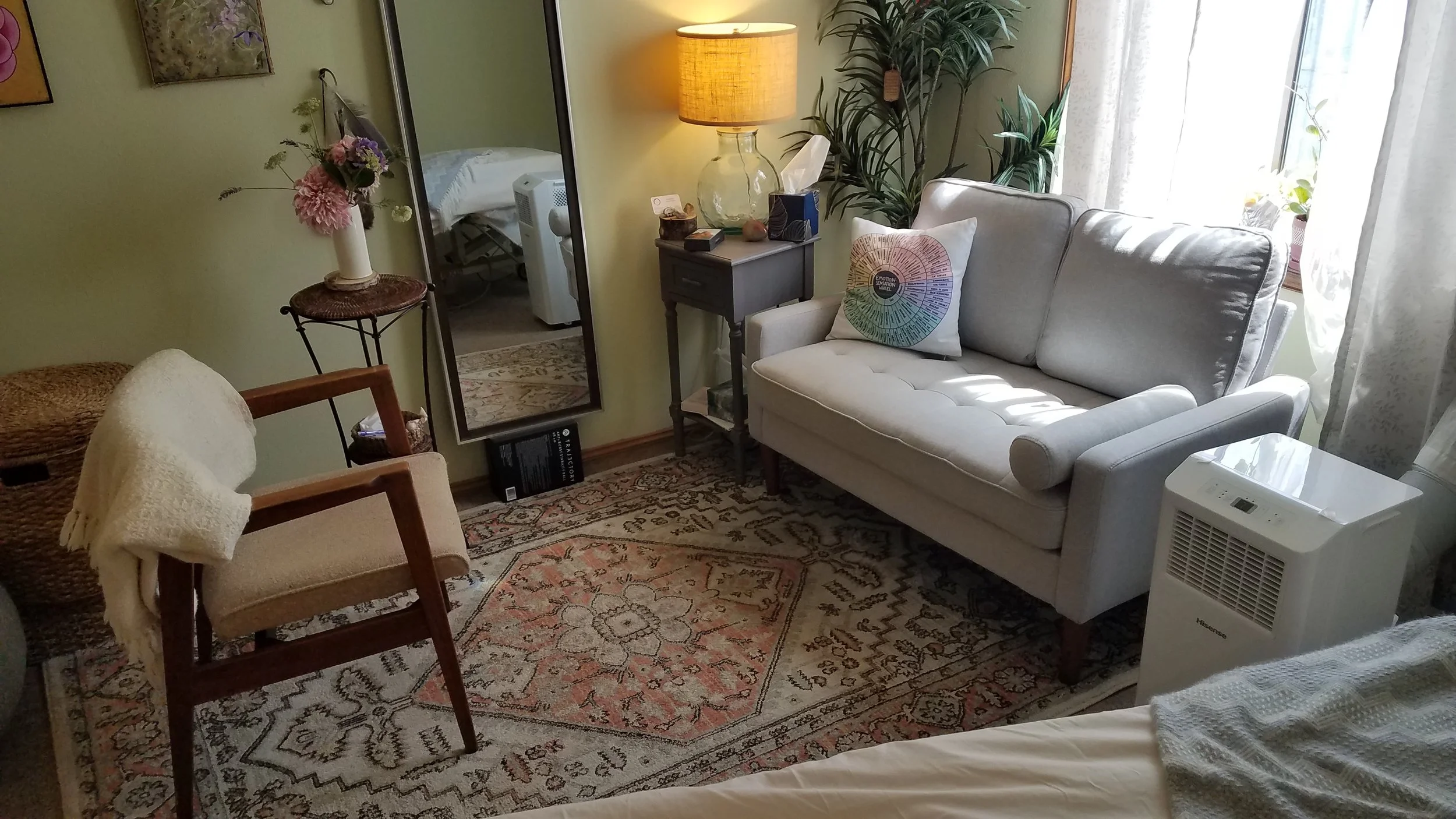
My office is in the Maple Leaf neighborhood in Seattle, WA. SPRe Bodywork is traditionally performed in-person. I also provide remote sessions for high-risk or geographically distant clients.
-
Sessions are always 60 minutes.
-
I accept checks, cash, Zelle, or Venmo payments. Please contact me for fee information.

Let’s Work Together
Somatic coaching sessions are offered in person in Seattle.